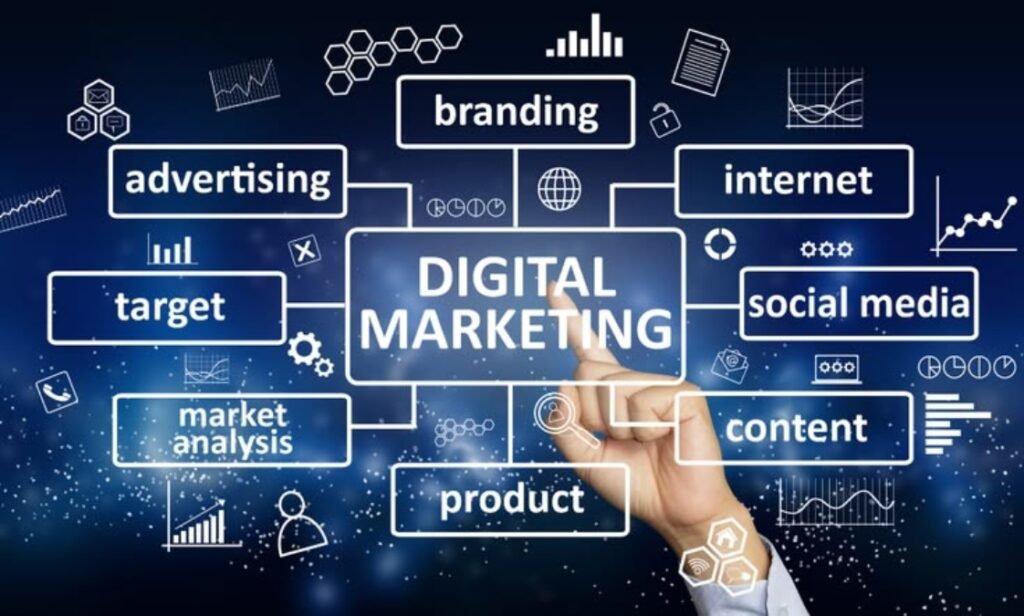
Marketing strategy before content has become essential for brands that want real growth instead of random online activity. In today’s digital world, many businesses publish posts, blogs, videos, and visuals consistently, yet still struggle to generate qualified leads or measurable results.
The reason is simple: content alone does not create growth. Without direction, even high-quality content can become noise. A clear strategy defines the purpose, audience, message, channels, and business goals behind every piece of content.
At Sonic Marketing, effective campaigns begin with business objectives first, strategic direction second, and content execution after the plan is clear.
To explore more performance-focused marketing insights, visit
Sonic Marketing
.
Marketing Strategy Before Content Creates Clear Direction
Marketing strategy before content ensures that every post, article, video, or campaign has a clear purpose. Instead of creating content simply to stay active, brands can focus on what each message should achieve.
A strong strategy answers important questions:
- Who is the target audience?
- What problem does the content solve?
- What action should the audience take?
- How does this content support business growth?
- Which channels should be prioritized?
This clarity turns content from random activity into a structured marketing asset.
Modern Marketing Strategy Defines the Audience
Modern marketing strategy begins with understanding the audience before creating any content. Brands need to know who they are speaking to, what their audience cares about, and how they make decisions.
Audience strategy includes:
- Customer pain points
- Buyer motivations
- Decision-making behavior
- Objections and trust barriers
- Preferred content formats
When audience clarity exists, content becomes more relevant, persuasive, and valuable. This is why marketing strategy before content improves both engagement and conversion quality.
Content Marketing Planning Turns Ideas Into a System
Content marketing planning helps brands organize topics, formats, publishing schedules, and messaging themes into one consistent system.
Without planning, brands often create content reactively. They ask, “What should we post today?” instead of building a long-term communication direction.
A strong content plan includes:
- Monthly content themes
- Core brand messages
- Lead generation topics
- Educational content pillars
- Sales-support content ideas
This planning process allows brands to maintain consistency while keeping every message connected to a larger business objective.
Marketing Strategy Before Content Supports Business Goals
Marketing strategy before content connects creative execution directly to measurable business outcomes.
Every piece of content should support a clear goal, such as:
- Increasing qualified leads
- Improving brand authority
- Building audience trust
- Supporting sales conversations
- Driving website conversions
When goals are defined first, content becomes more than visibility. It becomes part of a structured journey that moves potential customers from awareness to action.
Strategy-Driven Marketing Builds Consistency
Strategy-driven marketing helps brands create consistent messaging across social media, blogs, ads, landing pages, and sales communication.
Consistency matters because audiences need repeated clarity before they trust a brand. When every message feels disconnected, the brand becomes forgettable. When every message supports the same positioning, the brand becomes stronger.
This is why marketing strategy before content is critical for building long-term brand authority and trust.
Business Growth Marketing Strategy Uses Data
Business growth marketing strategy relies on data to improve performance over time. Instead of guessing what works, brands can analyze results and optimize their content direction.
Important performance insights include:
- Engagement rates
- Website traffic
- Lead quality
- Conversion rates
- Audience behavior
Data helps brands understand which topics, formats, and channels create the strongest results. This makes marketing more scalable and less dependent on assumptions.
Marketing Strategy Before Content Reduces Wasted Effort
Marketing strategy before content helps businesses avoid wasting time, budget, and creative energy on content that does not support growth.
Without strategy, brands may publish frequently but still fail to attract the right audience. They may gain views without leads, attention without trust, and activity without revenue.
Strategic planning ensures content is created for a reason, distributed through the right channels, and measured against clear business objectives.
The Sonic Marketing Approach
Sonic Marketing treats content as execution, not the starting point. Before producing content, the process begins with understanding the business model, audience, offer, market position, and lead generation goals.
The approach focuses on:
- Clear business objectives
- Audience research
- Strategic messaging
- Content planning
- Performance optimization
This ensures every piece of content contributes to meaningful outcomes rather than simply filling a posting calendar.
Industry Insights and External Resources
According to
HubSpot
, effective content marketing depends on planning, audience understanding, and consistent value creation.
Research from
McKinsey & Company
highlights the importance of data, customer insight, and strategic execution in modern growth marketing.
Frequently Asked Questions (FAQ)
-
Why should marketing strategy come before content?
Marketing strategy should come first because it defines the audience, message, goals, and direction behind every piece of content. -
What happens when brands create content without strategy?
Content without strategy often becomes inconsistent, unfocused, and disconnected from business goals, leading to weak results. -
What is content marketing planning?
Content marketing planning is the process of organizing topics, formats, messages, and publishing schedules around clear marketing objectives. -
How does strategy-driven marketing support growth?
Strategy-driven marketing connects content to measurable outcomes such as lead generation, trust building, conversions, and customer retention. -
How does Sonic Marketing approach content strategy?
Sonic Marketing starts with business goals and audience research before creating content, ensuring every message supports real growth.
Conclusion
Marketing strategy before content is the difference between random activity and meaningful marketing growth.
Modern marketing is not about producing more content. It is about producing the right content, for the right audience, with the right purpose and measurable direction.
When strategy leads, content becomes more focused, consistent, and effective. It stops being noise and becomes a growth engine.
👉 At Sonic Marketing, we build strategy first, then create content designed to generate clarity, trust, leads, and sustainable business growth.
📩 Contact our team today and discover how a strategy-driven marketing system can transform your content into measurable results.