Marketing systems are the difference between temporary attention and sustainable business growth. Many brands still depend on one-off campaigns whenever results slow down. They launch ads, publish content, create promotions, and hope the next campaign will bring stronger results.
However, short-term campaigns usually create short-term movement. They may generate traffic, engagement, or leads for a limited period, but once the campaign ends, the momentum often disappears.
The real question for growing brands is simple: are they building disconnected campaigns, or are they building a repeatable growth engine?
To explore performance-focused marketing solutions, visit
Sonic Marketing
.
Marketing Systems vs One-Off Campaigns
Marketing systems and one-off campaigns serve very different purposes. A one-off campaign is usually a single marketing effort with a start date, an end date, and a specific promotional goal.
It may include an ad campaign, a content push, a seasonal offer, or a short-term awareness activity. These campaigns can be useful, but they often fail when they are not connected to a larger structure.
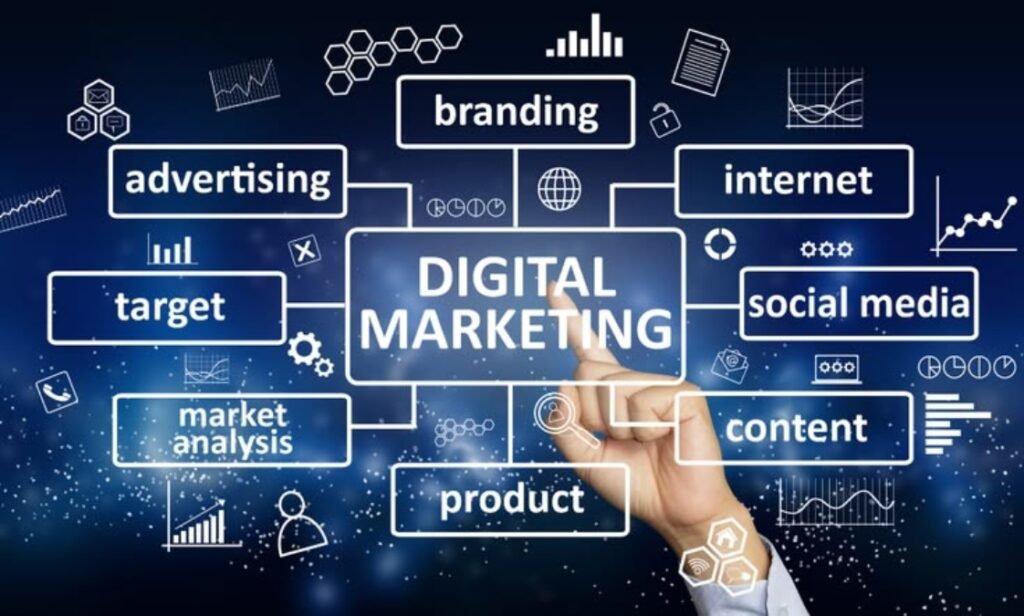
A system, on the other hand, connects strategy, traffic, content, funnels, follow-up, tracking, and optimization into one continuous process.
What Are One-Off Marketing Campaigns?
One-off marketing campaigns are isolated efforts designed to create quick visibility or short-term action. They can generate attention, but they often depend heavily on timing, trends, budget, and creative luck.
The problem is not that campaigns are bad. The problem is relying on campaigns without a repeatable process behind them.
Common risks include:
- Short-term performance spikes
- Weak follow-up after the campaign ends
- Inconsistent lead generation
- Unclear attribution
- Repeated starting from zero
- Limited learning from previous campaigns
When campaigns operate alone, brands may stay busy without building long-term marketing value.
What Are Marketing Systems?
Marketing systems are structured, repeatable processes designed to generate, nurture, convert, and optimize demand over time.
A strong system may include:
- Audience strategy
- Content planning
- Lead generation funnels
- Landing pages
- Marketing automation
- CRM follow-up
- Retargeting campaigns
- Performance tracking
- Optimization cycles
This structure helps brands turn marketing from random activity into a controlled growth process.
One-Off Campaigns Create Spikes, Not Stability
One-off campaigns can create a temporary increase in traffic, leads, or engagement. However, these results usually fade when there is no system to capture and convert the attention.
For example, a campaign may attract visitors to a website. But if there is no strong landing page, lead capture, retargeting, or follow-up process, most of that traffic disappears.
This creates a common problem: the brand keeps launching new campaigns but never builds lasting momentum.
Temporary spikes may look good in reports, but sustainable growth requires a structure that continues working after the campaign is over.
Marketing Systems Create Predictable Growth
Marketing systems help brands create more predictable growth because every campaign feeds into a larger process.
Instead of treating each campaign as a separate effort, a system connects each activity to a clear customer journey. Traffic is directed to landing pages. Leads are captured. Prospects are nurtured. Sales conversations are supported. Performance is measured and improved.
This creates stronger control over the full marketing process.
Predictable growth depends on:
- Clear audience targeting
- Consistent messaging
- Conversion-focused landing pages
- Lead nurturing
- Fast follow-up
- Performance measurement
- Continuous optimization
Scalable Marketing Systems Support Long-Term Growth
Scalable marketing systems allow brands to grow without rebuilding everything from the beginning each time. When the process is documented, measured, and repeatable, growth becomes easier to manage.
Scalability means the brand can increase traffic, leads, campaigns, and budget while maintaining quality and control.
This is difficult with disconnected campaigns because every new effort requires new planning, new assumptions, and new execution from zero.
A scalable structure helps teams understand what works, what should be improved, and what can be expanded with confidence.
Marketing Systems Improve Over Time
Marketing systems improve because they collect data continuously. Every campaign, landing page, email, ad, and follow-up step creates information that can be used to improve future performance.
With proper tracking, brands can identify:
- Which channels generate better leads
- Which messages convert stronger
- Which landing pages need improvement
- Where prospects drop off
- Which campaigns deserve more budget
- Which activities should be stopped
This makes marketing smarter over time. Campaigns end, but systems learn.
Sustainable Marketing Growth Requires Consistency
Sustainable marketing growth depends on consistency, not occasional activity. Brands do not build trust through one campaign only. They build trust through repeated visibility, clear messaging, valuable content, and reliable follow-up.
Consistency helps audiences understand the brand, remember the offer, and trust the business before making a decision.
This is especially important for brands with longer buying cycles, higher-value services, or complex customer journeys.
When marketing is consistent, every touchpoint supports the next one. This creates stronger momentum and better conversion potential.
Marketing Systems Strategy Turns Activity Into Assets
A strong marketing systems strategy turns marketing activity into long-term business assets. Instead of producing isolated campaigns, brands build funnels, content libraries, automation workflows, audience data, and performance insights.
These assets continue to support future growth.
For example, a strong landing page can convert leads for months. A good email sequence can nurture prospects automatically. A content library can support SEO and sales conversations. A performance dashboard can guide better decisions.
This is how marketing becomes more valuable over time.
Marketing Automation Systems Increase Efficiency
Marketing automation systems help brands maintain consistency without relying only on manual effort.
Automation can support:
- Email nurturing
- Lead follow-up
- CRM updates
- Retargeting audiences
- Reporting workflows
- Customer segmentation
Automation does not replace strategy. Instead, it helps execute the strategy more consistently.
When used correctly, automation improves response speed, reduces lost opportunities, and helps teams manage more leads with better organization.
The Sonic Marketing System-First Approach
At Sonic Marketing, campaigns are not treated as isolated activities. They are designed to support a larger growth structure.
The approach focuses on:
- Clear business objectives
- Audience strategy
- Funnel planning
- Content execution
- Lead capture
- Performance tracking
- Continuous optimization
This system-first approach helps brands move beyond random marketing and build a more reliable path toward measurable business growth.
Industry Insights and External Resources
According to
HubSpot
, effective marketing strategy depends on clear goals, audience understanding, planning, and consistent execution.
Research from
McKinsey & Company
highlights the importance of data, customer insight, and performance improvement in modern growth marketing.
Frequently Asked Questions (FAQ)
-
What is the difference between campaigns and systems?
Campaigns are temporary marketing efforts, while systems are repeatable processes that connect strategy, funnels, automation, tracking, and optimization. -
Why do one-off marketing campaigns often fail?
They often fail because they are disconnected from follow-up, lead nurturing, conversion tracking, and long-term growth planning. -
How do scalable marketing systems support growth?
They help brands repeat what works, track performance, improve conversions, and scale campaigns without starting from zero each time. -
Do brands still need campaigns?
Yes. Campaigns are valuable when they support a larger structure. The problem is relying on campaigns instead of building a complete growth process. -
How does Sonic Marketing build growth systems?
Sonic Marketing connects strategy, content, funnels, lead generation, automation, and performance tracking into a structured growth system.
Marketing systems create stronger long-term growth than disconnected one-off campaigns because they turn activity into a repeatable, measurable, and scalable process.
One campaign may create attention, but a structured system can turn attention into leads, follow-up, conversions, and business growth.
Brands that want predictable results need more than short-term tactics. They need strategy, execution, data, automation, and consistency working together.
👉 At Sonic Marketing, we help brands build performance-focused marketing structures designed for clarity, consistency, and measurable growth.
📩 Contact our team today and discover how a system-first marketing approach can turn your campaigns into a real growth engine.